Dr. Shah treats all aspects of cardiovascular conditions including but not exclusive to the assessment and management of chest pain, arrhythmias, heart failure, valve disease, cardiomyopathies, hypertension and aortopathies.
chest pain
Read More
Intermittent chest discomfort may be related to the heart and is important to investigate. If there is sudden acute chest pain, you should seek urgent medical advice and dial 999.
arrhythmias
Read More
These are abnormal rhythms of the heart where it may beat too quickly, too slowly or irregularly. You may experience palpitations, dizziness, chest discomfort or feeling breathless.
heart failure
Read More
This refers to the heart not functioning properly as a “pump”. You may experience symptoms such as breathlessness, fatigue, difficulty lying flat, waking up breathlessness particularly at night-time or ankle swelling.
valve disease
Read More
If heart valves do not work properly, this may affect the flow of blood through the heart and consequently its ability to pump effectively to organs around the body. Various factors can cause valves to become thickened, leaky, narrow or floppy. You may experience symptoms such as dizziness and breathlessness.
cardiomyopathies
Read More
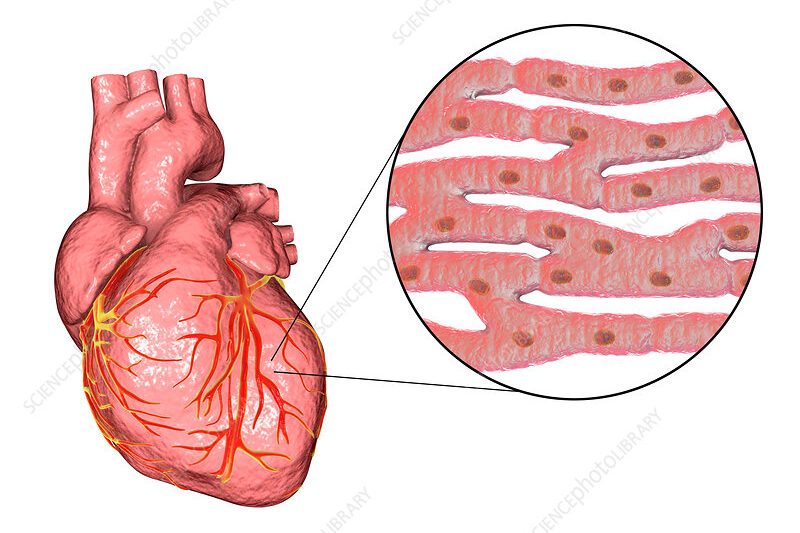
These are diseases affecting the heart muscle. There can be many causes of this which require investigation and specific treatment.
hypertension & aortopathies
Read More
Hypertension is the medical term for high blood pressure. Some people may not even know that they have it. Other people may experience headaches, changes in their vision and dizziness. It is really important to have well controlled blood pressure to prevent complications such as heart attacks, strokes and kidney problems.
Aortopathy refers to conditions that affect the aorta, the main blood vessel that carries oxygen rich blood from the heart to critical organs of the body. This typically is due to a weakened aorta causing enlargement requiring surveillance, treatment and in some cases surgery.